
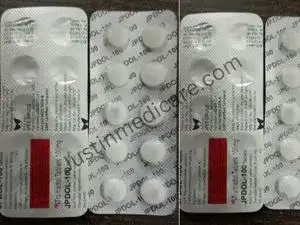
Tramadol 100mg
⚡ Fast Delivery
🌙 Midnight Sale
Trusted pain relief medication. Tramadol 100mg is prescribed to treat moderate to severe pain. Order now with overnight shipping.
What is Tramadol 100mg?
Tramadol 100mg is a prescription medication that contains tramadol hydrochloride, a synthetic analgesic with opioid-like properties. It belongs to a class of drugs known as centrally acting analgesics, which are used to treat moderate to severe pain. Tramadol is available under various brand names, including Ultram, and is one of the most commonly prescribed pain medications worldwide. The 100mg strength is a standard dose that provides effective pain relief for patients with moderate to severe pain.
Tramadol is a unique analgesic that works through a dual mechanism of action. It is a weak opioid receptor agonist and also inhibits the reuptake of serotonin and norepinephrine, similar to some antidepressant medications [citation:6]. This combination of actions makes tramadol effective for a wide range of pain conditions, including neuropathic pain and chronic pain syndromes.
In the United States, tramadol is classified as a Schedule IV controlled substance under the Controlled Substances Act, meaning it has a recognized medical use but carries a risk of dependence and abuse [citation:6]. As such, it is strictly regulated and can only be obtained with a valid prescription from a licensed healthcare provider. Patients are required to undergo regular monitoring to ensure the medication is being used safely and effectively.
Tramadol 100mg is available in both immediate-release (IR) and extended-release (ER) formulations. The immediate-release version is typically taken every 4 to 6 hours as needed for pain, while the extended-release version is taken once daily for around-the-clock pain management [citation:1][citation:12].
💡 Key Takeaway: Tramadol 100mg is a proven, effective treatment for moderate to severe pain that has helped millions of patients worldwide. When taken as prescribed, it can significantly improve quality of life for individuals suffering from acute and chronic pain conditions.
How Does Tramadol 100mg Work?
The mechanism of action of tramadol involves a dual approach to pain relief. Tramadol acts as a weak agonist at mu-opioid receptors in the central nervous system, which reduces the perception of pain. Additionally, tramadol inhibits the reuptake of serotonin and norepinephrine, two neurotransmitters involved in the modulation of pain signals [citation:6].
By binding to opioid receptors, tramadol alters the brain’s perception and response to pain, similar to other opioid analgesics but with less potency. The serotonin and norepinephrine reuptake inhibition enhances the body’s natural pain-inhibiting pathways, providing additional pain relief, particularly for neuropathic pain.
Tramadol 100mg (immediate-release) typically begins to work within 1 hour of oral administration, with peak effects occurring within 2 to 4 hours [citation:6]. The extended-release formulation provides a gradual release of the medication over 24 hours, allowing for once-daily dosing for chronic pain management [citation:12].
Unlike traditional opioids, tramadol has a lower potential for respiratory depression at therapeutic doses, although the risk increases at higher doses or when combined with other central nervous system depressants.
Uses of Tramadol 100mg
Primary Uses:
- Moderate to Severe Pain: Tramadol is indicated for the management of moderate to severe pain in adults [citation:1][citation:3]. It is effective for both acute and chronic pain conditions.
- Acute Pain: Tramadol 100mg is used for short-term pain relief following injury, surgery, or other acute conditions. The immediate-release formulation is typically used for acute pain [citation:1].
- Chronic Pain: Tramadol is used for long-term pain management in conditions such as osteoarthritis, neuropathic pain, and chronic back pain. The extended-release formulation is often preferred for chronic pain [citation:12].
- Neuropathic Pain: Due to its dual mechanism of action (opioid and SNRI effects), tramadol is effective for neuropathic pain conditions, including diabetic neuropathy and post-herpetic neuralgia.
Off-Label Uses:
- Restless Legs Syndrome (RLS): Tramadol may be used off-label for the treatment of RLS, although other medications are often preferred.
- Premature Ejaculation: Some studies have explored the use of tramadol for premature ejaculation, although this is not an approved indication.
It is crucial to emphasize that off-label use should only be undertaken under the close supervision of a specialist, as the safety and efficacy for these indications have not been thoroughly established.
Dosage and Administration
Starting Dose: The typical starting dose of tramadol for most patients is 50mg to 100mg, taken every 4 to 6 hours as needed for pain. The maximum recommended daily dose is 400mg per day [citation:1][citation:3].
Acute Pain: For acute pain, adults and children over 12 years may take 50-100mg, 3 to 4 times daily. The duration of therapy depends on clinical need [citation:1].
Chronic Pain: For chronic pain, an initial dose of 50mg or 100mg is followed by doses of 50mg or 100mg every 4 to 6 hours, according to pain severity. The need for continued treatment should be assessed at regular intervals, as withdrawal symptoms and dependence have been reported [citation:1].
Extended-Release Formulation: For extended-release tablets, the initial dose is typically 100mg once per day, with a maximum daily dose of 300mg per day [citation:6][citation:12].
Administration: Tramadol should be taken orally with a glass of water. It can be taken with or without food. The capsules or tablets should be swallowed whole; they should not be crushed, chewed, or dissolved.
Missed Dose: If a dose is missed, it should be taken as soon as possible. However, if it is almost time for the next dose, skip the missed dose and resume the regular dosing schedule. Doubling up on doses is not recommended.
Special Populations:
- Elderly Patients (over 75 years): Elimination may be prolonged. The dosage interval should be extended according to patient requirements [citation:1].
- Renal Impairment: For patients with creatinine clearance <30ml/min, the dosage interval should be increased to 12 hours. Tramadol is not recommended in patients with severe renal impairment (creatinine clearance <10ml/min) [citation:1].
- Hepatic Impairment: The dosage should be divided in 2, or the dosage interval should be extended to 12 hours. In severe hepatic impairment, the product is contraindicated [citation:1].
Potential Side Effects
Like all medications, tramadol 100mg can cause side effects. Not all patients will experience them, and the severity can vary. Common side effects include:
- Nausea: One of the most commonly reported side effects, often occurring at the beginning of treatment.
- Dizziness: May occur, particularly when standing up quickly.
- Drowsiness: May occur, especially at the beginning of treatment.
- Constipation: A common side effect of opioid medications.
- Headache: Often mild and transient.
- Dry Mouth: A frequent complaint; staying hydrated can help.
- Sweating: Increased perspiration may occur.
Less Common but Serious Side Effects:
- Respiratory Depression: Slowed or difficult breathing, particularly in patients with underlying respiratory conditions or at high doses.
- Seizures: Tramadol can lower the seizure threshold, particularly at high doses or in patients with a history of seizures.
- Serotonin Syndrome: When combined with other serotonergic medications (such as SSRIs, SNRIs, or MAO inhibitors), tramadol can cause serotonin syndrome, a potentially life-threatening condition.
- Severe Allergic Reactions: Rash, swelling, or difficulty breathing.
- Dependence and Withdrawal: Tramadol has a potential for dependence and withdrawal, especially with long-term use or high doses.
- Hepatic Dysfunction: Elevated liver enzymes or liver damage in rare cases.
Patients should report any adverse effects to their healthcare provider promptly. In most cases, side effects are manageable with dose adjustments or supportive care.
Safety Information and Precautions
🔴 CRITICAL WARNING: Tramadol 100mg should NEVER be used in combination with alcohol or other central nervous system depressants, as this can cause severe respiratory depression, coma, or death. This includes opioids, benzodiazepines, sedatives, hypnotics, and certain antidepressants.
Contraindications: Tramadol 100mg is not suitable for everyone. It is contraindicated in patients with:
- Hypersensitivity to tramadol or any component of the formulation.
- Patients with severe hepatic impairment [citation:1].
- Patients with severe renal impairment (creatinine clearance <10ml/min) [citation:1].
- Patients with uncontrolled epilepsy or a history of seizures.
- Patients with acute intoxication with alcohol, hypnotics, centrally acting analgesics, opioids, or psychotropic drugs.
- Patients taking MAO inhibitors or within 14 days of their use.
- Patients with a history of opioid dependence.
Pregnancy and Breastfeeding: Tramadol should be used during pregnancy only if the potential benefit justifies the potential risk to the fetus. Tramadol is excreted in breast milk and may cause adverse effects in nursing infants, including respiratory depression and withdrawal symptoms. Therefore, a decision should be made whether to discontinue nursing or discontinue the drug.
Drug Interactions: Tramadol may interact with a wide range of medications, including:
- Alcohol: Severe CNS depression, respiratory depression, coma, and death.
- MAO Inhibitors: Hypertensive crisis, serotonin syndrome, coma, and death.
- SSRI Antidepressants: Fluoxetine, fluvoxamine, paroxetine, sertraline – may increase the risk of serotonin syndrome.
- SNRI Antidepressants: Duloxetine, venlafaxine – may increase the risk of serotonin syndrome.
- Benzodiazepines: Increased risk of sedation and respiratory depression.
- Other Opioids: Additive CNS depressant effects.
- Anticonvulsants: May lower the seizure threshold.
- Anticoagulants (Warfarin): Tramadol may increase the risk of bleeding.
- Carbamazepine: May reduce the effectiveness of tramadol.
Monitoring: Patients should undergo a thorough medical evaluation before starting tramadol therapy, including a cardiovascular and respiratory assessment. Regular follow-ups are recommended to monitor for signs of dependence, abuse, and adverse effects.
⚠️ Important: Tramadol is a controlled substance with a potential for dependence and abuse. It should be used only as prescribed and for the shortest duration necessary. Abrupt discontinuation after long-term use can lead to withdrawal symptoms, including anxiety, sweating, insomnia, and gastrointestinal distress. Tapering the dose is typically recommended [citation:1].
Shipping & Delivery Information
🚀 Overnight Shipping Available – We offer overnight shipping on all orders placed before 2 PM EST. Your medication will arrive the next business day.
⚡ Fast Delivery – Standard shipping delivers within 2-3 business days. Express shipping options are available for rush orders.
🌙 Midnight Flash Sale – Enjoy exclusive discounts on orders placed during our midnight sale hours (12 AM – 4 AM EST). Limited-time offers available.
📦 Same-Day Dispatch – All orders placed before 3 PM EST are dispatched the same day, ensuring you receive your medication as quickly as possible.
🔒 Discreet Packaging – All shipments are sent in discreet, unmarked packaging to protect your privacy.
📦 Free Shipping – Enjoy free standard shipping on all orders over $150.
Frequently Asked Questions
1. How long does tramadol 100mg take to work?
Tramadol 100mg (immediate-release) typically begins to work within 1 hour of oral administration, with peak effects occurring within 2 to 4 hours. The extended-release formulation provides a gradual release of the medication over 24 hours [citation:6].
2. How long does tramadol 100mg last?
The effects of tramadol 100mg (immediate-release) can last for 4 to 6 hours. The extended-release formulation provides around-the-clock pain relief for up to 24 hours [citation:12].
3. Can I drink alcohol while taking tramadol 100mg?
No. Alcohol should be avoided while taking tramadol, as it can cause severe central nervous system depression, respiratory depression, coma, and death.
4. Is tramadol 100mg addictive?
Yes, tramadol has a known potential for dependence and abuse, especially with long-term use or high doses. With proper medical supervision and adherence to prescribed doses, the risk of addiction is minimized [citation:1][citation:6].
5. What should I do if I experience severe side effects?
Seek emergency medical care immediately. Symptoms such as difficulty breathing, severe drowsiness, seizures, or signs of an allergic reaction warrant immediate attention.
6. How fast is the shipping?
We offer overnight shipping for orders placed before 2 PM EST. Standard shipping takes 2-3 business days. Express shipping is also available for faster delivery.
7. Do you offer international shipping?
We offer international shipping to select countries. Please contact us for more information about rates and delivery times.
8. Can tramadol 100mg be crushed or split?
The tablets or capsules should be swallowed whole. Splitting or crushing may affect the absorption and effectiveness of the medication. Extended-release tablets should never be crushed, chewed, or dissolved, as this can cause a rapid release of the full dose, leading to serious side effects [citation:1][citation:6].
9. Is tramadol 100mg covered by insurance?
Many insurance plans cover tramadol, but coverage varies depending on the plan. Check with your insurance provider for specific details about coverage and copayments.
10. Can I stop taking tramadol suddenly?
No. Abrupt discontinuation of tramadol after long-term use can lead to withdrawal symptoms, including anxiety, sweating, insomnia, and gastrointestinal distress. Always consult your healthcare provider before stopping treatment. Tapering the dose is typically recommended [citation:1].
Visit JustinHealthcare.us →
🔗 Return to Justin Healthcare Home — browse all prescription medications with overnight shipping.
This comprehensive guide is intended for educational purposes only. It does not replace professional medical advice. Always consult your physician or pharmacist before starting or changing any medication.
Reviews
There are no reviews yet.