



Adderall 30mg
Trusted ADHD management. Adderall 30mg is prescribed to improve focus, attention, and impulse control in adults and children aged 6+.
What is Adderall 30mg?
Adderall 30mg is a prescription medication that contains a combination of amphetamine and dextroamphetamine. It belongs to a class of drugs known as central nervous system (CNS) stimulants. Adderall is primarily used to treat Attention Deficit Hyperactivity Disorder (ADHD) and, in some cases, narcolepsy. The 30mg strength is considered a higher dose and is typically prescribed for patients who have developed tolerance to lower strengths or who require more robust symptom control.
The medication works by altering the levels of certain natural substances in the brain. Amphetamine and dextroamphetamine increase the activity of neurotransmitters such as dopamine and norepinephrine, which play key roles in regulating attention, focus, and impulse control. By enhancing these neural pathways, Adderall helps patients with ADHD to better organize their thoughts, sustain attention on tasks, and reduce hyperactive or impulsive behaviors.
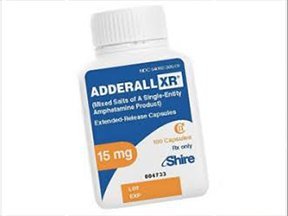
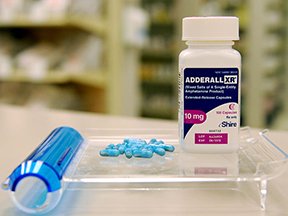
Adderall is available in both immediate-release (IR) and extended-release (XR) formulations. The 30mg strength is most commonly prescribed in the extended-release form, which provides a gradual release of the medication throughout the day, allowing for once-daily dosing. This is particularly beneficial for patients who need consistent symptom coverage from morning through late afternoon.
In Canada, Adderall is classified as a Schedule III controlled substance, meaning it has a recognized medical use but also carries a risk of dependence and abuse. As such, it is strictly regulated and can only be obtained with a valid prescription from a licensed healthcare provider. Patients are required to undergo regular monitoring to ensure the medication is being used safely and effectively.
💡 Key Takeaway: Adderall 30mg is a powerful, evidence-based treatment for ADHD that has been used for decades. When taken as prescribed, it can significantly improve quality of life for individuals struggling with attention and impulse control.
How Does Adderall 30mg Work?
The mechanism of action of Adderall 30mg involves the modulation of monoamine neurotransmitters in the brain. Specifically, amphetamine and dextroamphetamine promote the release of dopamine and norepinephrine from presynaptic neurons while also blocking their reuptake. This results in increased concentrations of these neurotransmitters in the synaptic cleft, leading to enhanced stimulation of postsynaptic receptors.
Dopamine is closely associated with motivation, reward, and executive function. By increasing dopamine levels, Adderall helps to sharpen focus and reduce distractibility. Norepinephrine, on the other hand, is involved in arousal and alertness. Elevated norepinephrine levels help patients stay awake and attentive during tasks that require sustained mental effort.
Unlike some other stimulants, Adderall has a relatively rapid onset of action, with effects typically felt within 30 to 60 minutes of oral administration. The extended-release formulation uses a dual-bead delivery system: approximately half of the dose is released immediately, while the remaining half is released gradually over 4 to 6 hours. This provides a smooth, consistent therapeutic effect that lasts up to 12 hours.
It is important to note that while Adderall is effective, it does not cure ADHD. Rather, it is a symptom management tool that must be used in conjunction with behavioral therapy, educational support, and lifestyle modifications for optimal outcomes.
Uses of Adderall 30mg
Primary Use – ADHD: The most common indication for Adderall 30mg is the treatment of Attention Deficit Hyperactivity Disorder (ADHD) in patients aged 6 years and older. Clinical trials have consistently demonstrated its efficacy in reducing core symptoms of inattention, hyperactivity, and impulsivity. Patients often report improved academic performance, better workplace productivity, and enhanced social functioning.
Off-Label Uses: Beyond ADHD, Adderall is sometimes prescribed off-label for other conditions. These include:
- Narcolepsy: A sleep disorder characterized by excessive daytime sleepiness and sudden sleep attacks. Adderall helps to promote wakefulness.
- Treatment-Resistant Depression: In some cases, Adderall is used as an adjunctive therapy for patients with depression who have not responded to standard antidepressants.
- Obesity: Though rarely used today, Adderall has appetite-suppressant properties and was historically prescribed for weight loss.
It is crucial to emphasize that off-label use should only be undertaken under the close supervision of a specialist, as the safety and efficacy for these indications have not been thoroughly established.
Dosage and Administration
Starting Dose: For patients new to Adderall, the typical starting dose is 10mg to 20mg per day. The 30mg strength is usually reserved for patients who have been titrated to this level over several weeks or months. The dose may be adjusted based on the patient’s response and tolerability.
Administration: Adderall XR 30mg should be taken once daily in the morning, with or without food. Taking the medication later in the day may interfere with sleep. Capsules should be swallowed whole; they should not be crushed, chewed, or dissolved, as this would disrupt the extended-release mechanism and potentially lead to a rapid, unsafe increase in blood levels.
Missed Dose: If a dose is missed, it should be skipped and the patient should resume their regular schedule the next day. Doubling up on doses is not recommended.
Dose Adjustment: Geriatric patients or those with renal or hepatic impairment may require lower doses. Children and adolescents should be carefully monitored for growth suppression, as stimulants can affect appetite and weight gain.
Potential Side Effects
Like all medications, Adderall 30mg can cause side effects. Not all patients will experience them, and the severity can vary. Common side effects include:
- Insomnia: Difficulty falling or staying asleep, especially if taken late in the day.
- Dry Mouth: A frequent complaint; staying hydrated can help.
- Loss of Appetite: May lead to weight loss, particularly in children.
- Headache: Often mild and transient.
- Increased Heart Rate: Palpitations or mild tachycardia may occur.
Less Common but Serious Side Effects:
- Cardiovascular Events: Chest pain, shortness of breath, or fainting – these require immediate medical attention.
- Mental Health Changes: New or worsening anxiety, agitation, paranoia, or hallucinations.
- Seizures: Rare, but possible in patients with a history of epilepsy.
- Peripheral Vasculopathy: Raynaud’s phenomenon, characterized by numbness or tingling in the fingers or toes.
Patients should report any adverse effects to their healthcare provider promptly. In most cases, side effects are manageable with dose adjustments or supportive care.
Safety Information and Precautions
Contraindications: Adderall 30mg is not suitable for everyone. It is contraindicated in patients with:
- History of hypersensitivity to amphetamines or any component of the formulation.
- Advanced arteriosclerosis, symptomatic cardiovascular disease, or moderate-to-severe hypertension.
- Hyperthyroidism (overactive thyroid).
- Glaucoma (increased intraocular pressure).
- History of drug or alcohol abuse, as Adderall has a high potential for misuse.
- Patients taking monoamine oxidase inhibitors (MAOIs) within the past 14 days.
Pregnancy and Breastfeeding: The safety of Adderall during pregnancy has not been established. It should only be used if the potential benefit justifies the potential risk to the fetus. Amphetamines are excreted in breast milk and may cause adverse effects in nursing infants, so a decision should be made whether to discontinue nursing or discontinue the drug.
Drug Interactions: Adderall may interact with a wide range of medications, including:
- Antidepressants (especially SSRIs and tricyclics) – may increase serotonin levels and risk of serotonin syndrome.
- Antacids – can alter the absorption and effectiveness of Adderall.
- Blood pressure medications – Adderall may reduce the effectiveness of antihypertensives.
- Seizure medications – may lower the seizure threshold.
Monitoring: Patients on long-term Adderall therapy should have regular check-ups, including blood pressure and heart rate monitoring, growth assessments in children, and periodic psychiatric evaluations to screen for any emerging mental health issues.
⚠️ Important: Adderall 30mg should never be shared with others. It is a prescription medication tailored to the specific needs of the individual patient. Misuse can lead to serious health consequences, including addiction, overdose, and death.
Frequently Asked Questions
1. Is Adderall 30mg addictive?
Yes, Adderall has a known potential for dependence and abuse. Patients with a history of substance use disorders should be evaluated carefully before starting treatment. With proper medical supervision and adherence to prescribed doses, the risk of addiction is minimized.
2. Can I drink alcohol while taking Adderall?
It is not recommended. Alcohol can exacerbate the side effects of Adderall, such as dizziness and impaired judgment, and may also increase the risk of cardiovascular events.
3. How long does Adderall 30mg stay in my system?
The half-life of Adderall is approximately 10 to 13 hours. It can be detected in urine for up to 3 days, in blood for up to 24 hours, and in hair follicles for up to 90 days.
4. Can Adderall 30mg be crushed or split?
No. The XR capsules are designed to release the medication gradually. Crushing or splitting them can cause a rapid release of the full dose, leading to serious side effects.
5. What should I do if I experience severe side effects?
Seek emergency medical care immediately. Symptoms such as chest pain, severe headache, vision changes, or hallucinations warrant immediate attention.
Visit JustinHealthcare.us →
Related Images


🔗 Return to Justin Healthcare Home — browse all ADHD treatments and prescription medications.
This comprehensive guide is intended for educational purposes only. It does not replace professional medical advice. Always consult your physician or pharmacist before starting or changing any medication.
Reviews
There are no reviews yet.